Green Tea is the antioxidant wonder. Japan and Asian cultures have long appreciated and used the health benefits of green tea. Western cultures are only now beginning to recognize the health preserving benefits of green tea. Researches now know that green tea is a powerful antioxidant with compounds that can shield you from many harmful diseases including cancer and heart disease. It is now known that green tea improves cardiovascular health, reduces the risk of cancer and helps with weight loss.
Green tea comes from the same plant as black tea, but is harvested at a younger age. It is consumed fresh, rather than roasted like black tea. Green tea is thus less processed and retains more of its nutrients and antioxidants than black tea.
Celebrating its 13th year, Frankston`s Christmas Festival of Lights is a wonderful opportunity to bring the family together and celebrate Christmas. The event is on Saturday, 27 November 2010 from 5:00pm to 10:00pm at Davey Street, Frankston (Melway ref: 100A C8). The festival will come to life again this year with host, Network Ten`s Mike Larkan, for an evening of fun, festivities and family entertainment.
The highlights will include:
Santa`s House – where children can meet Santa
North Pole – Children`s Activity Centre
Art and Craft
St Luke`s Anglican Church Live Nativity Scene
Meet and Greet Shrek
Live on Stage – Scooby Doo
Rides and Amusement
Sound and Light Show – lighting of Christmas Tree
Make sure you don`t miss Frankston`s Christmas Festival of Lights
Miso is a paste from Japan made from crushed soybeans, barley, rice or wheat and a mold known as koji. Miso is fermented anywhere from a few weeks to a few years. The most common types of miso are red, white, barley and soybean. Miso was introduced to Japan by Buddhist monks in the 7th century, and has several well known health benefits.
Matsumoto Castle (松本城 Matsumoto-jō), also known as the “Crow Castle” because of its black exterior, is one of Japan`s premier historic castles. The castle is located in the city of Matsumoto in Nagano Prefecture. The castle is 15 minutes on foot from the train station and costs ¥500 for admission.
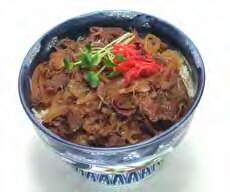
This month`s Easy Japanese Cooking recipe is Gyudon or Beef Bowl.
It is a very popular item served by some of Japan`s fast food restaurants and is easy to make at home.
Preparation Time: 5-10 mins
Cooking Time: 7-8 mins
Makes 4 servings
Ingredients
• 6-8 cups hot cooked rice
• 225g thinly sliced beef
• 1 medium onion, thinly sliced
• 3 tbsp vegetable oil
• 2 tbsp fresh ginger juice
Sauce:
• 1 cup water
• 1/3 cup dark soy sauce
• 1/3 cup mirin
Method
1. Boil plain white rice
2. In a large frying pan, heat vegetable oil over a high heat
3. Cook the onion for a few minutes until soft
4. Add the beef slices and cook for another minute or until the meat is no longer red
5. Mix the ingredients for the sauce together and add sauce to pan
6. Continue to cook for another minute and then remove from heat
7. Stir in the ginger juice
8. To serve, put portions of hot rice 1.5 to 2 cups per serve into individual donburi bowls and cover with cooked beef and onions.
In Japan, a lot of people like to eat their gyudon with pickled ginger and top it with a lightly beaten raw egg mixed into the rice.
Takayama (高山市) is famous for its miso, ramen, mountain vegetables and Hida beef. Walking through the city is a taste sensation. A speciality is Hida beef sushi.
This is a picture of the raw beef sushi that costs 500 yen in Takayama.
The traditional Japanese meal or banquet is divided into consecutive courses according to the method of preparation. For example, a grilled dish comes before a steamed dish, and a steamed dish before simmered foods, and so on. The bare minimum of the meal consists of miso soup, rice and pickles (tsukemono).
The Japanese meal is a symphony of flavour, colour, texture and seasonal produce. It is fresh and prepared so that the foods natural flavour is enhanced. The traditional basic formula of a Japanese meal is “soup and three”. That is soup and three main dishes as follows:
1. Fresh, uncooked fish (sashimi)
2. A grilled dish (yakimono)
3. A simmered dish (nimono)
These dishes will be followed by boiled rice, pickles, tea and fresh fruit as dessert.